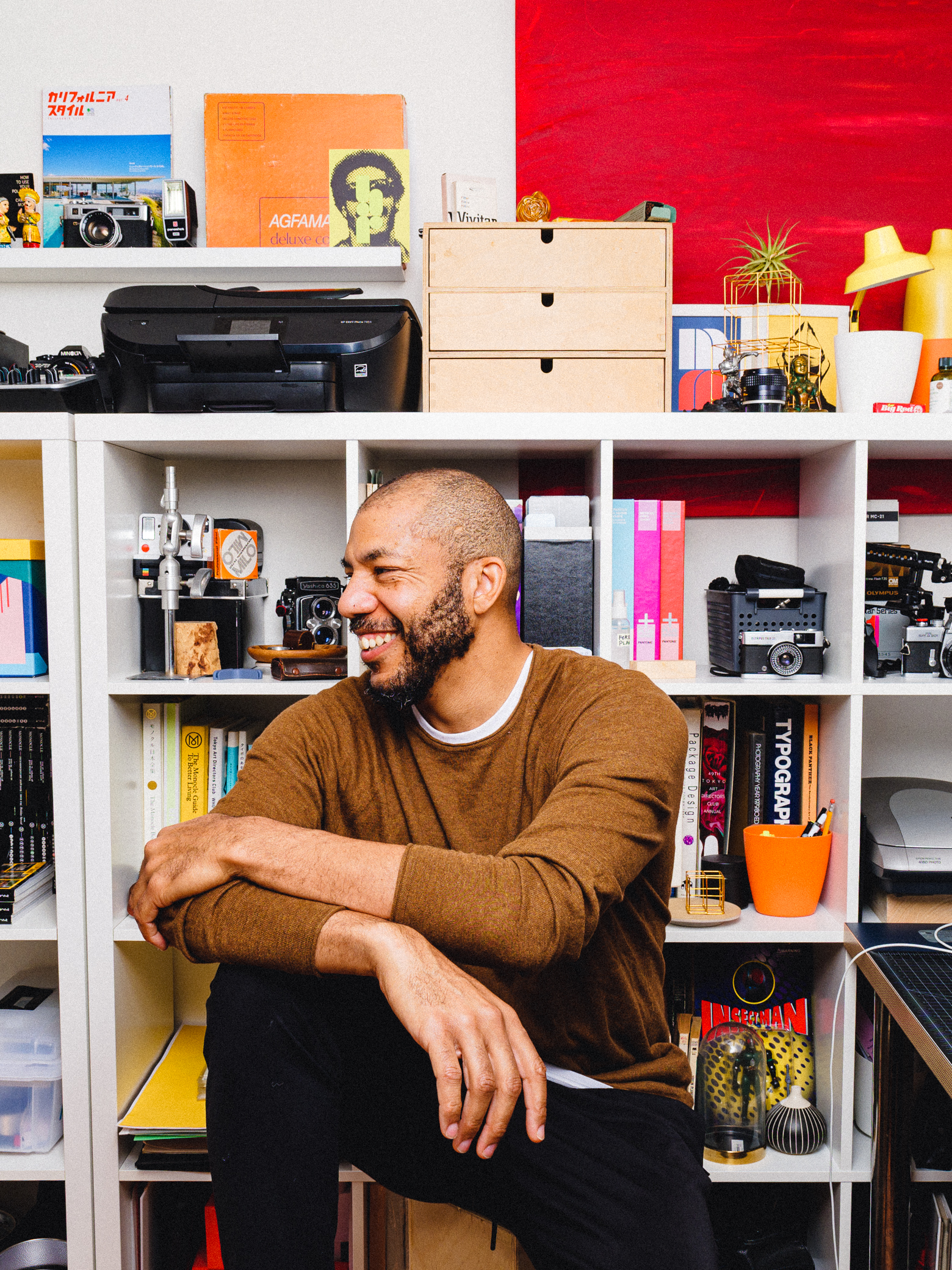
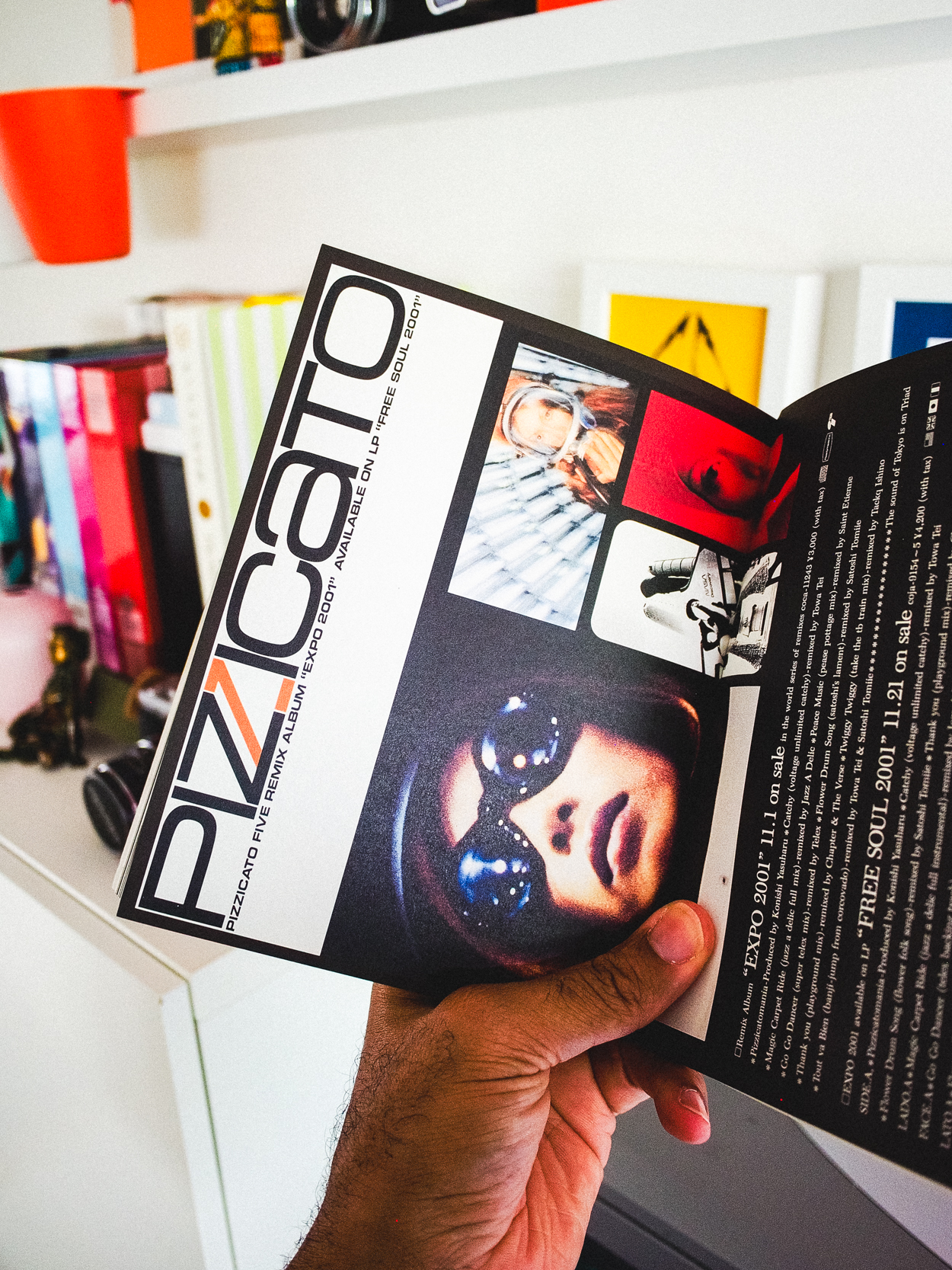
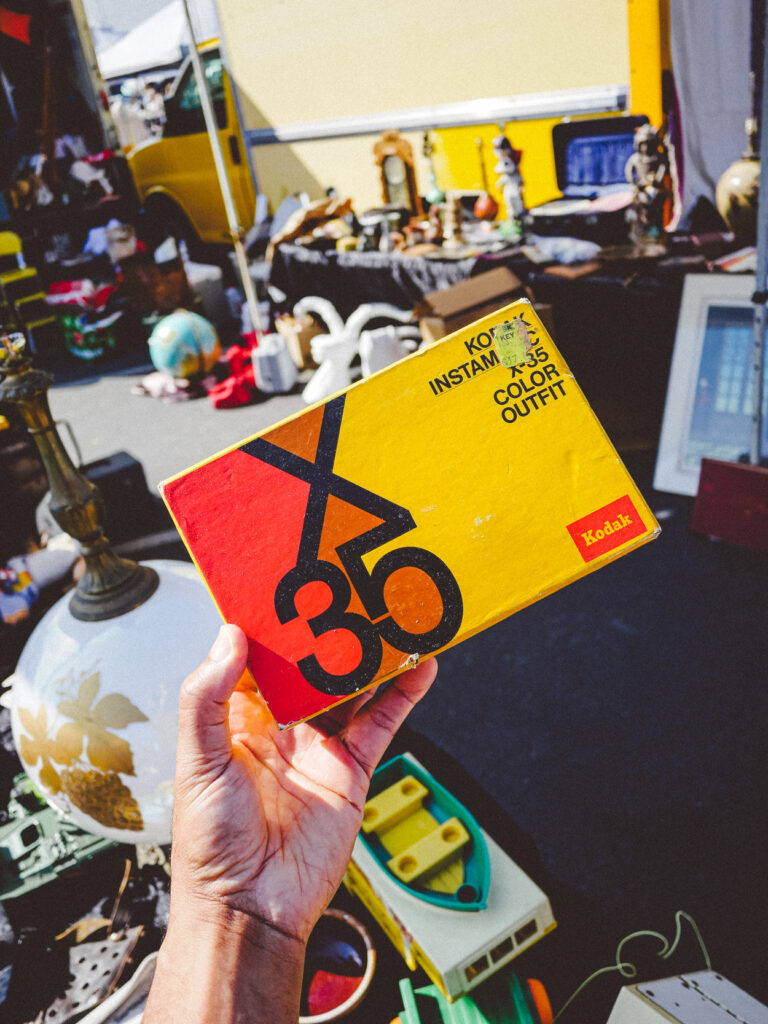
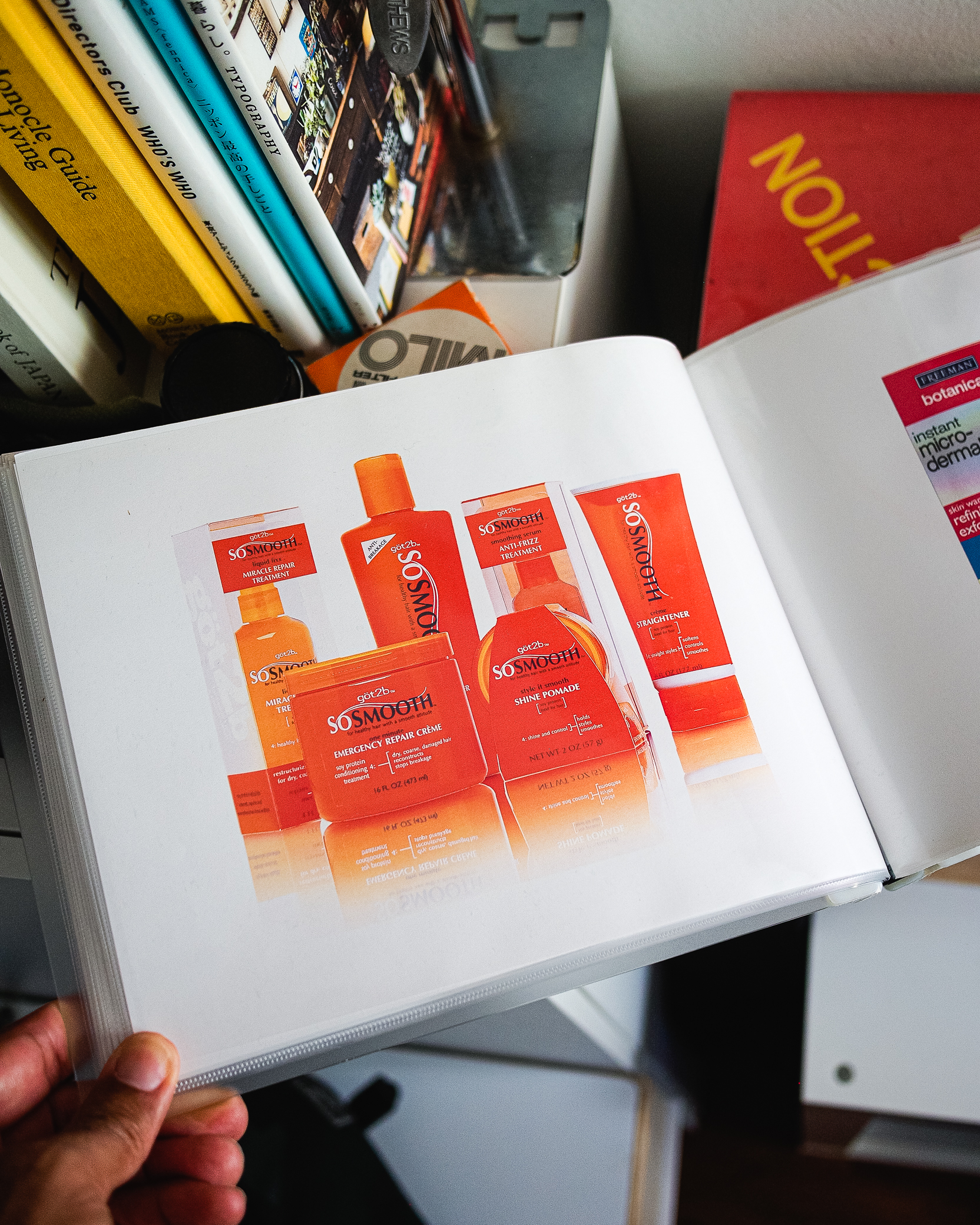
Ever wonder what keeps a brand moving forward, day in and day out?
Labels. Duo bands. Aisle interrupters. Mirror clings. Product brochures. Endcap displays. Caddies. Planograms. Holiday promos. Meetings. Product renders. Sell sheets. Calendars. Floor displays. Coupons. Header cards. Store shelf strips. Proof sign-offs. Fact sheets. Hangtags. Ingredient revisions. Ads. Product codes. Point-of-purchase displays. Eight-language product directions. File production. Did I miss any?

These are the regular, frequent tasks of a graphic designer. Not the kind of stuff I’d submit to Communication Arts or even show in my portfolio. But they’re what keeps a brand visible, consistent, and on point.
Where I learned this
I stepped into the design world when analog tools were fading and digital design was still Quark XPress~ly slow. In 2000, I landed my first design job working under a legendary brand designer. He didn’t know how to use a Mac, but he sure knew how to curse anyone waiting for the screen to turn on.
I commuted three hours each way from Pomona to Brentwood just to keep that opportunity. The work was intense and the environment was Mad Men-level chaotic. It was also where I learned to fight for my ideas and to design for real-world production, not just for my portfolio.

The other side of the story
Today we see polished, Insta-perfect brand decks all over the internet. That’s one side of the story. I’m grateful to have a portfolio full of that kind of work, and honestly would love more of it, but most of my career has been built on the bread-and-butter jobs. Brands aren’t out there refreshing every season. So it’s labels, ingredient changes, press checks, hangtags, sell sheets, and duo caddies that support the marketing efforts.

Here’s what I’ve noticed. Launches and rebrands get the attention, but the steady work is what earns trust. When a client knows every proof will be clean, every file will be production-ready, and every change will be handled right the first time, you stop being a vendor and become part of the team. That’s how one-off projects turn into lasting client relationships.

This work may not be glamorous, but it’s essential. It’s kept me in business for over two decades.
If you’ve ever felt “less than” for not posting cool mockups every week, let me tell you: those are just mockups.
The everyday work is the work. And it matters. All of it.